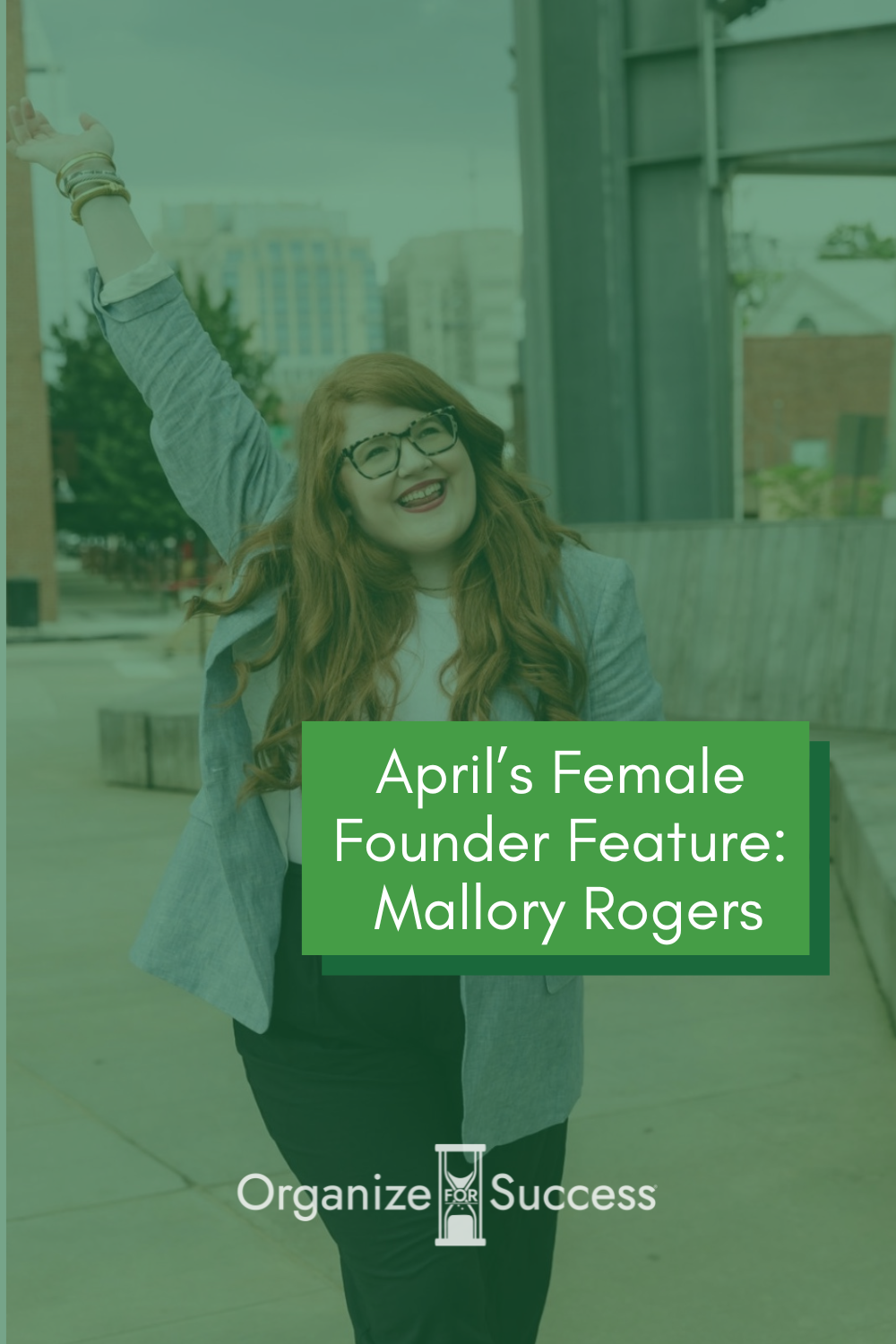
First Friday Female Founder Feature: Mallory Rogers
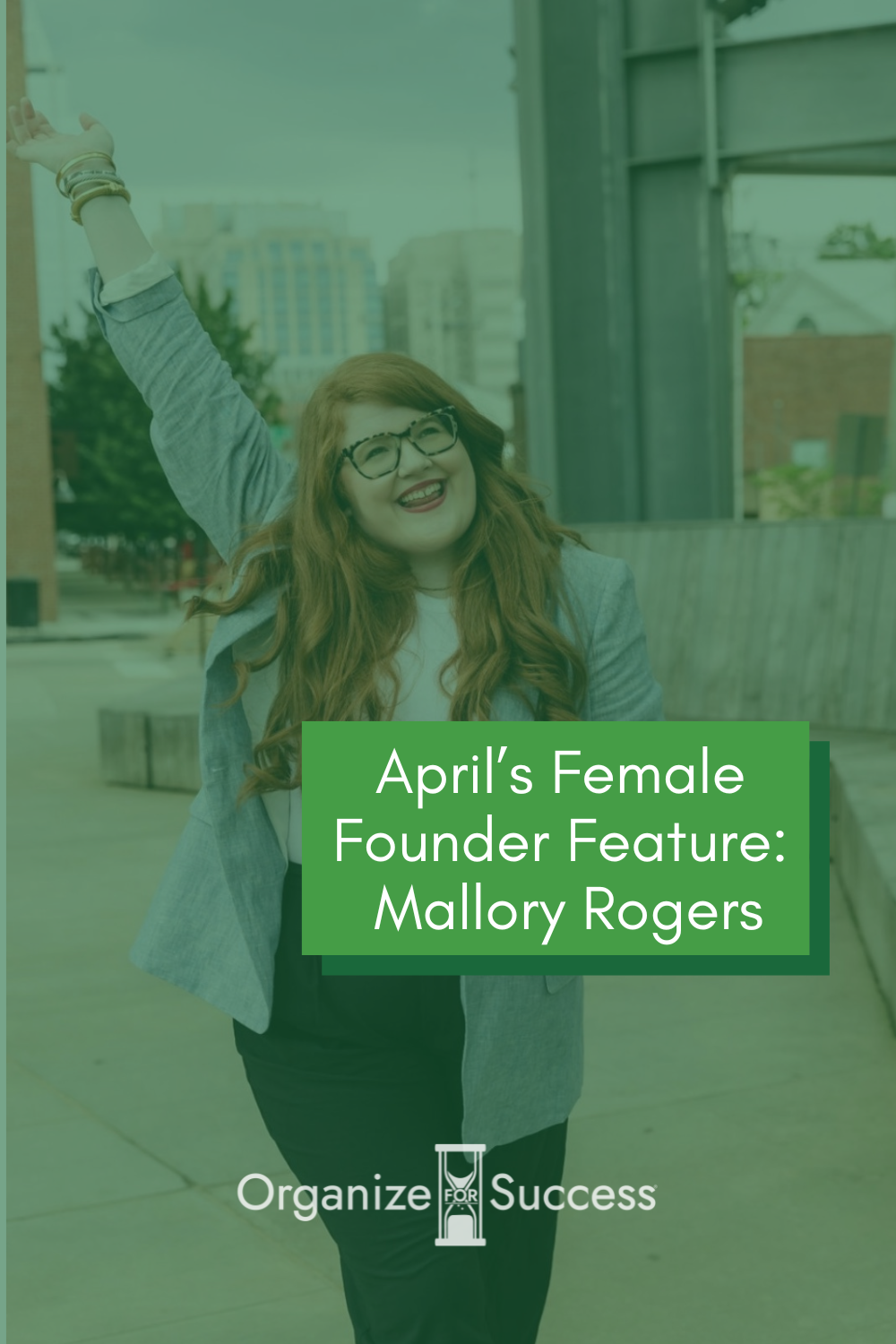
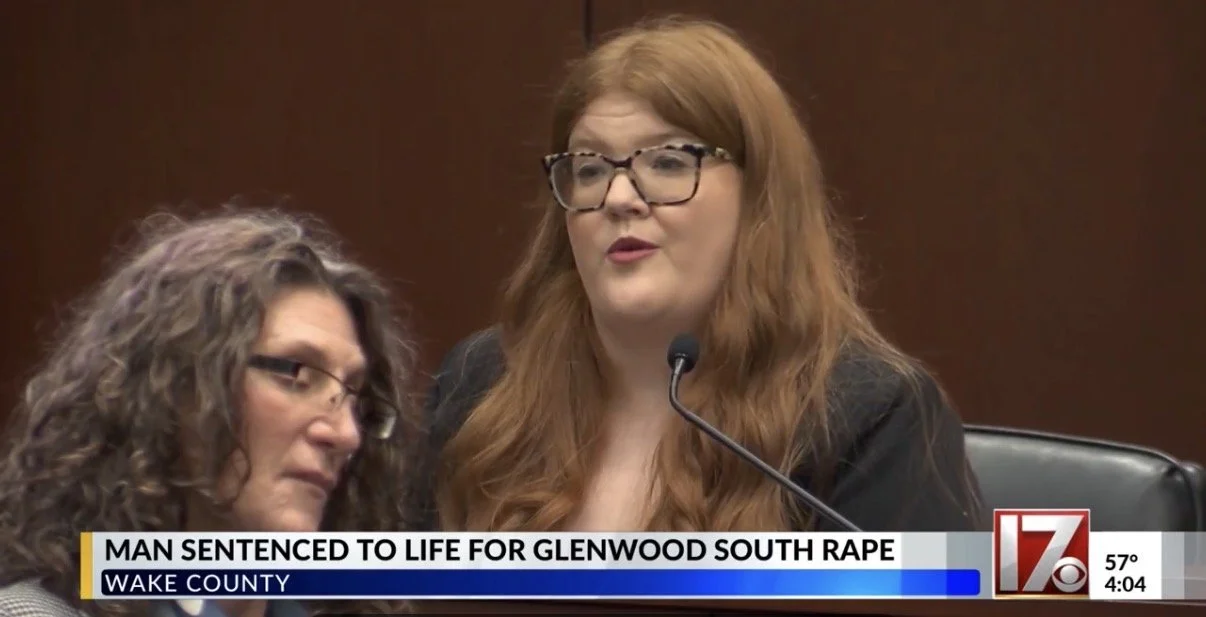
Mallory Rogers is an excellent example of the fantastic females who are members of Flourish Coworking... She shares my beliefs regarding how the beauty of being human is in the imperfections and how work-life efficiency or integration is way more fulfilling than seeking perfection. As someone with ADHD, Mallory leans into systems that support (not work against) how her brain functions, what comes naturally to her and who she is authentically, just like the work I do with clients every single day. Plus, we both appreciate the lessons and growth that come through the challenges of starting, running and growing a business. Entrepreneurship is not for the faint of heart! Yet, it is Mallory’s genuine care for human-beings that makes her so gifted at what she’s doing. And what she is doing as founder and owner of Longleaf Counseling & Collaboration is deeply inspiring! Longleaf’s focus is on trauma-informed care and mental health in the community with a cross section of services for victims / survivors of violent person crimes; everyone in the practice has that specific training. In addition to being an outpatient mental health practice, Longleaf has a consulting arm for law enforcement agencies, district attorneys’ offices, family law, etc for expert witness testimony, victims’ rights audits and advising as well as advocacy services, keeping them heavily involved all across North Carolina’s Wake County. Most importantly, Mallory and I align in our deep support of values-based productivity, investing time, energy and focus in what truly earns that investment so human-beings are not simply doing more but doing what actually matters. She knows to use her calendar to protect space for focused work. Enjoy this peek inside the mind and heart of this absolute rock star!
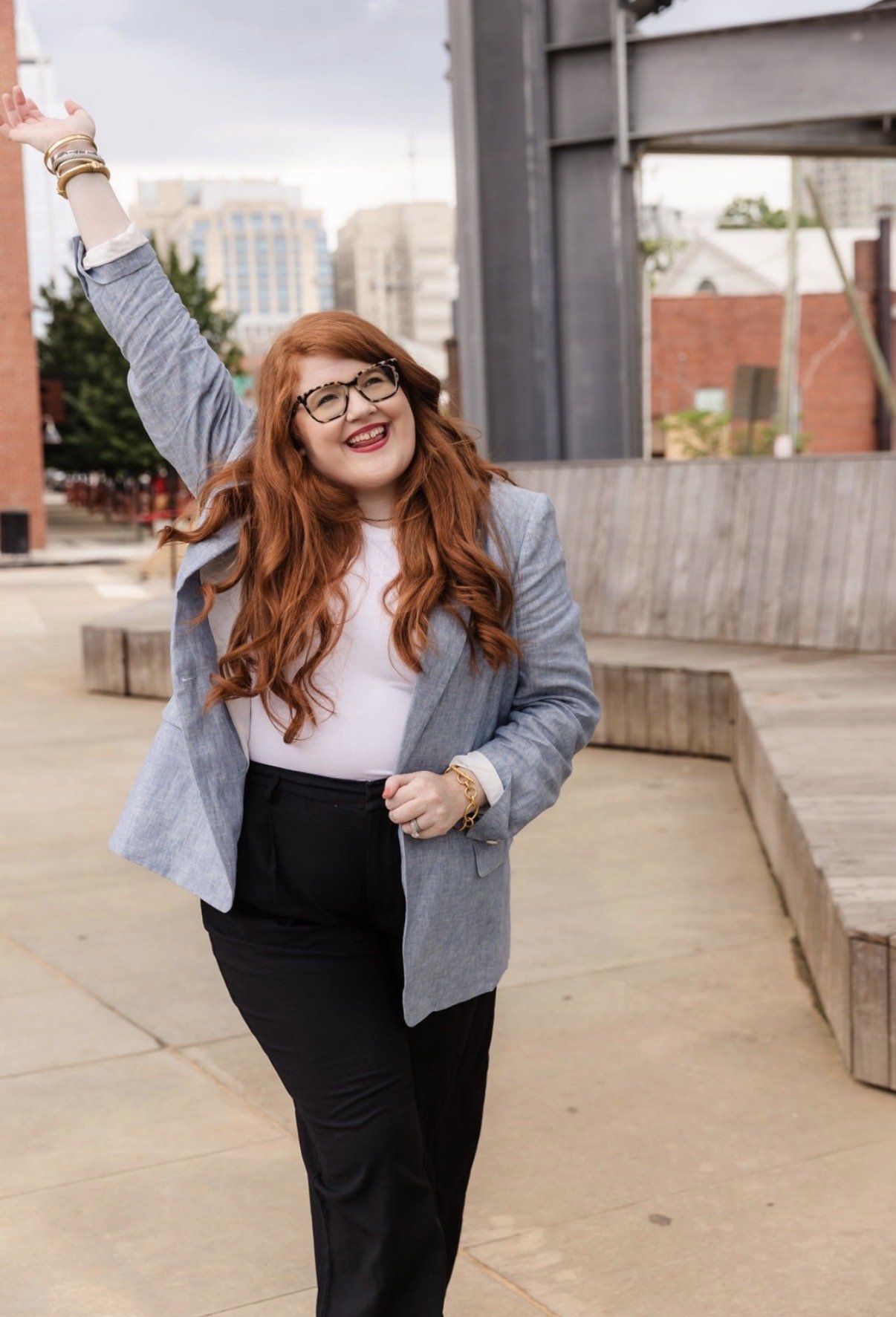
About Mallory Rogers
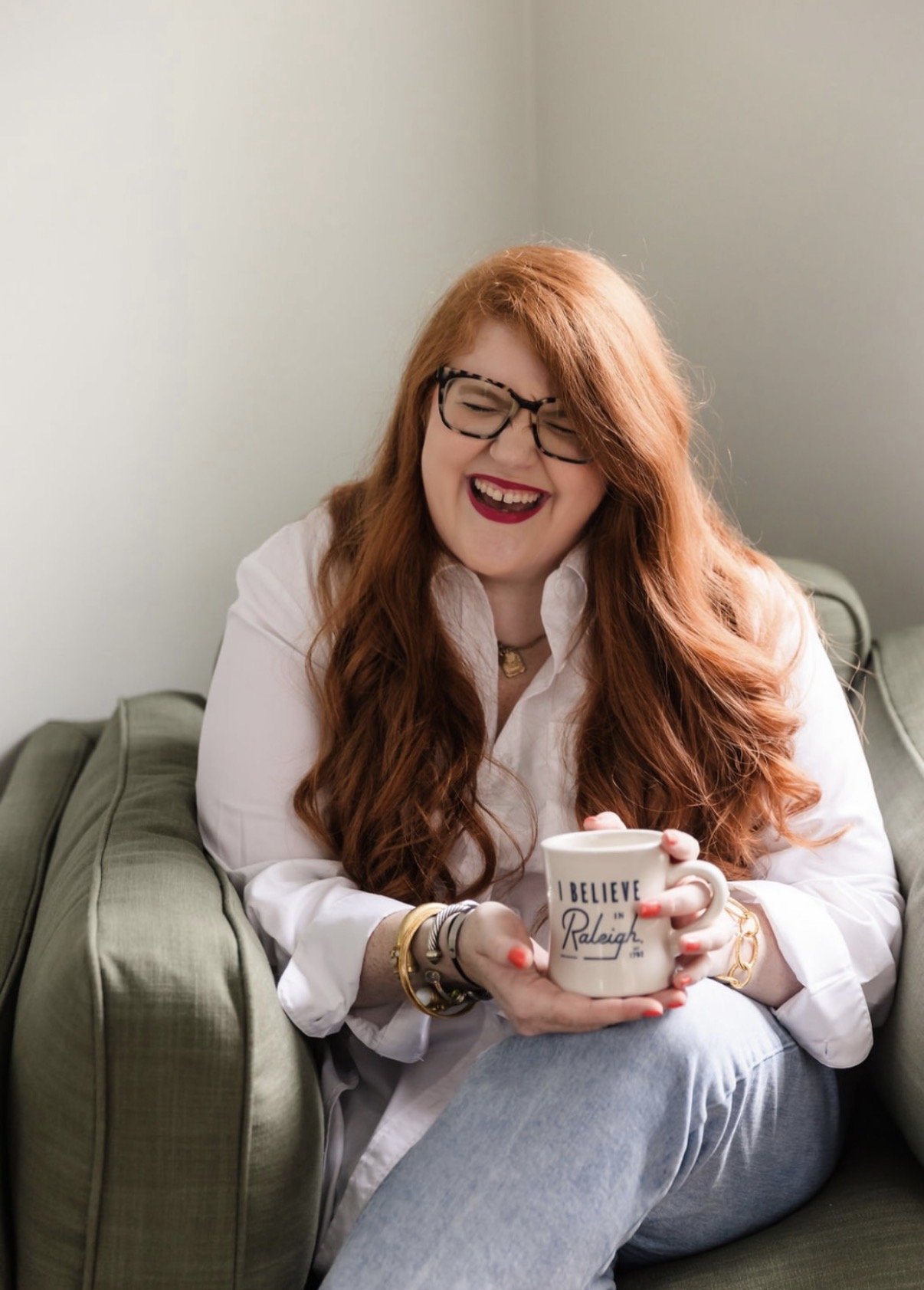
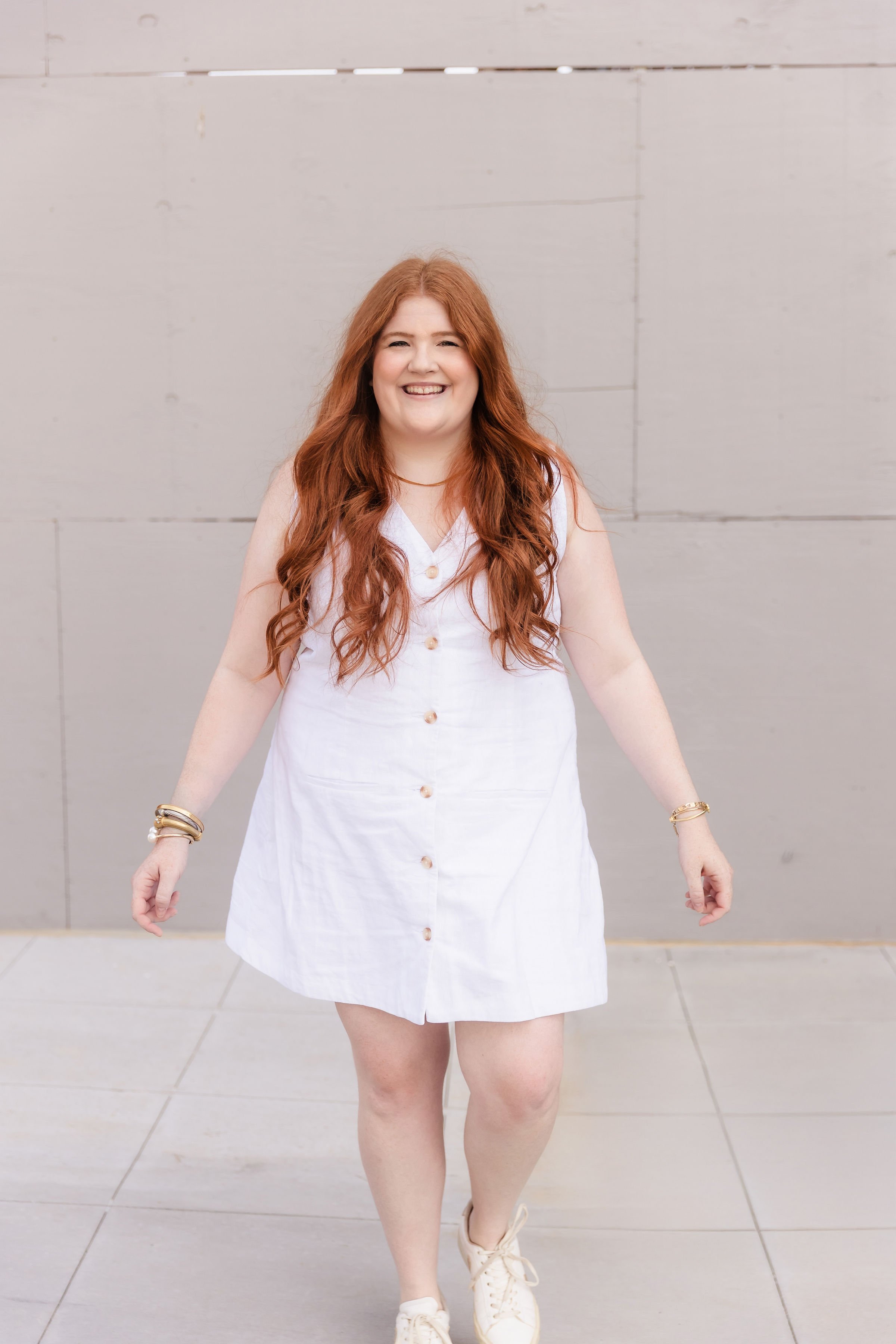
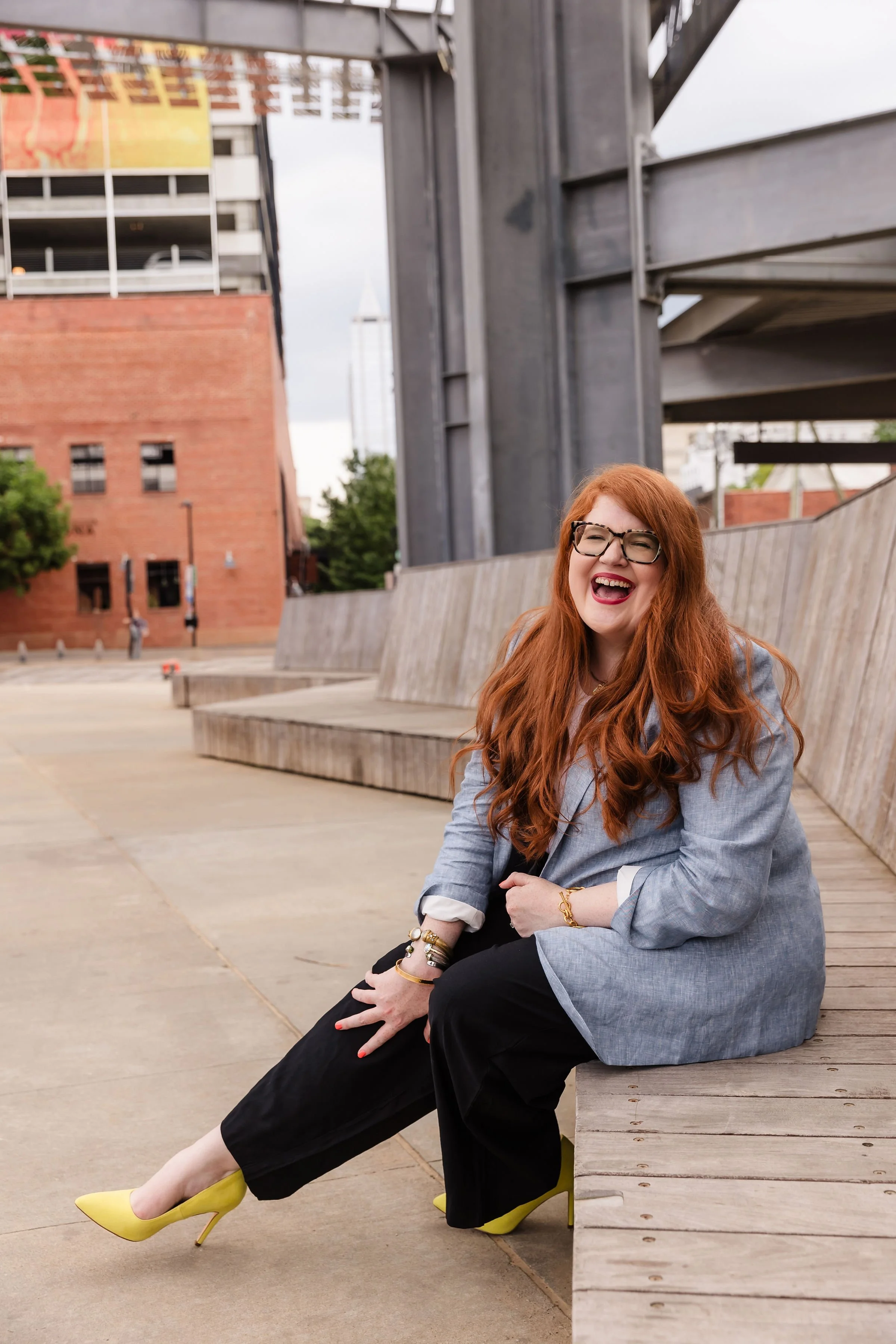
Mallory Rogers is the founder and owner of Longleaf Counseling & Collaboration, a trauma-informed group practice in the heart of Downtown Raleigh built from a bold vision: that mental health care can be clinically exceptional, deeply human, and powerfully connected to the community it serves.
She is a respected Raleigh community leader whose work lives at the intersection of healing, advocacy, leadership, and systems change. Mallory serves as Chair of the Wake County Sexual Assault Response Team (SART) and was apponted by the Mayor and City Council to the Victim Advocate Representative role of the Raleigh Police Advisory Board where she was elected as Chair - she brings people, systems, and institutions together to strengthen community response and care. Additionally, she is retained for several local police departments to advise on the Victims Rights Act, trauma informed victim/survivor care, and victim response and the intersection of mental health and public safety.
Her impact extends far beyond mental health practice. Through victim advocacy, multidisciplinary collaboration, public leadership, and expert witness testimony and consultation work, Mallory has become a trusted voice in conversations surrounding trauma, violence, violent person crime, and community safety. She has a rare ability to move seamlessly between the therapy room and the systems that shape people’s lives - always with directness and purpose.
Mallory is known not only for what she has built, but for the vision behind it: creating spaces where people feel believed, protected, empowered, and able to heal. She is the kind of leader who does not simply work within systems - she helps transform them and believes heavily that macro work and micro work should co-exist for our neighbors.
First Friday Female Founder Feature:
Mallory Rogers
How would you describe the company you founded and its products?
Longleaf Counseling & Collaboration, PLLC is a trauma-informed group practice based in downtown Raleigh, North Carolina. We specialize in working with individuals across the lifespan - children, adolescents, and adults - who are navigating trauma, high-stress environments such as high conflict divorces and complex life experiences. We specifically serve survivors and witnesses to violent person crimes. Our work is rooted in evidence-based modalities like EMDR, IFS, DBT and ACT, but what truly defines us is how we show up: collaborative, direct and deeply person-centered.
At the 1:1 level, we provide individualized therapy that goes beyond symptom management. We work with survivors of interpersonal violence, sexual violence, child abuse, high-conflict family systems, neurodivergence, burnout and major life transitions. Our clinicians are trained to understand how trauma lives in the nervous system, relationships and identity—and we tailor care accordingly. Whether it’s a child in play therapy, a parent navigating overwhelm or an adult processing complex trauma, our goal is to create meaningful, sustainable change—not just short-term relief. Each of our therapists has a different niche in various forms of identified trauma that individuals may experience - we have a perinatal specialized therapist, child play therapist and a therapist who specializes in various mood and personality disorders at the intersection of trauma. While they are all able and willing and do treat our neighbors with anxiety, depression, etc - they also have specialized trainings and experience with forms of high conflict dynamics and trauma such as victims of violent person crimes.
At the macro level, Longleaf extends beyond the therapy room into systems-level impact, particularly with me as Longleaf’s founder. I am currently the Chair of the Wake County Sexual Assault Response Team where I lead over 65 community partners ranging from law enforcement to the Attorney’s General’s Office to the Wake DA’s Office to nonprofits to faith communities to healthcare systems in serving child and adult survivors of sexual violence/abuse/assault. I also was appointed by City Council and the Mayor of Raleigh to serve as the Victim Advocate Representative for the Raleigh Police Advisory Board and by my peers to serve as the Chair of this board. I believe in the value of macro work and systems and that these play a significant role in 1:1 client care and beyond.
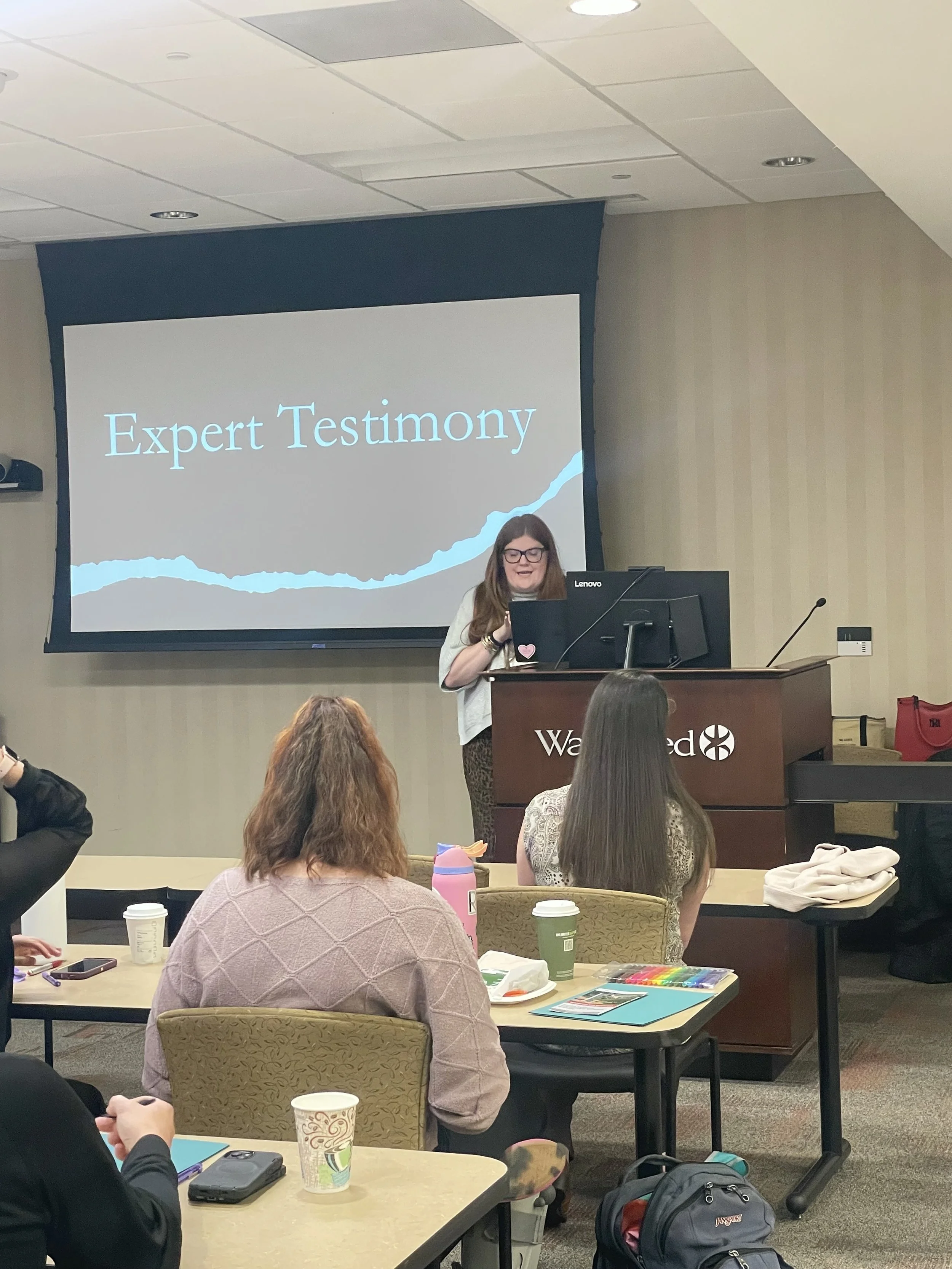
Longleaf Counseling & Collaboration partners with law enforcement, district attorneys’ offices, and multidisciplinary teams to bring a trauma-informed lens into high-stakes environments through trainings, consults, etc. This includes consulting on victim response, providing expert insight on trauma and memory, supporting Sexual Assault Response Teams (SART) and contributing to policy and community education efforts. Additionally, I provide expert witness testimony for family cases and felony person crime cases on the intersections of neurobiology and trauma as well as write policy for various community organizations on victims’ rights laws, mental health and trauma, along with the intersection of trauma and public safety.
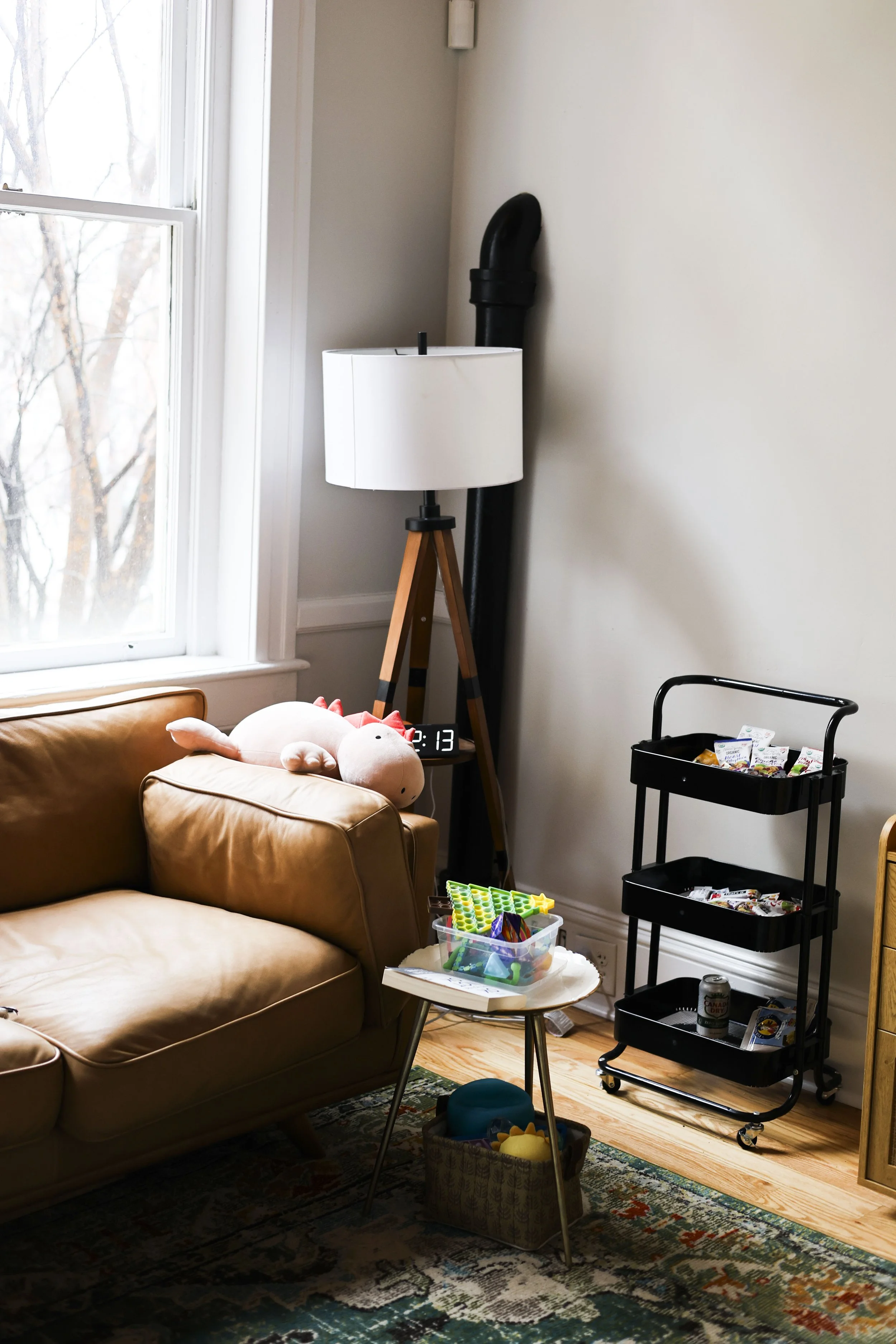
Lastly, I founded The Hope Court Coping Bags last March after identifying a significant need. Wake County was in need of comfort items for children and adults who were taking the stand to testify against their offenders in felony person crimes such as sexual violence/assault/abuse, serious child abuse and neglect, child sexual abuse material (CSAM), felony homicides for children and adults, and more. The community went above and beyond in donating food, stuffed animals, journals, pens, coloring books and more. The Wake County District Attorney’s Office submits referrals and, then, these bags are provided for both child and adult survivors and witnesses to violent person crimes.
What makes Longleaf unique is that we operate at both the macro and 1:1 levels simultaneously- we are deeply committed to individual healing while actively working to improve the systems that impact our clients’ lives. It’s not either/or. It’s both.
Why did you start your company?
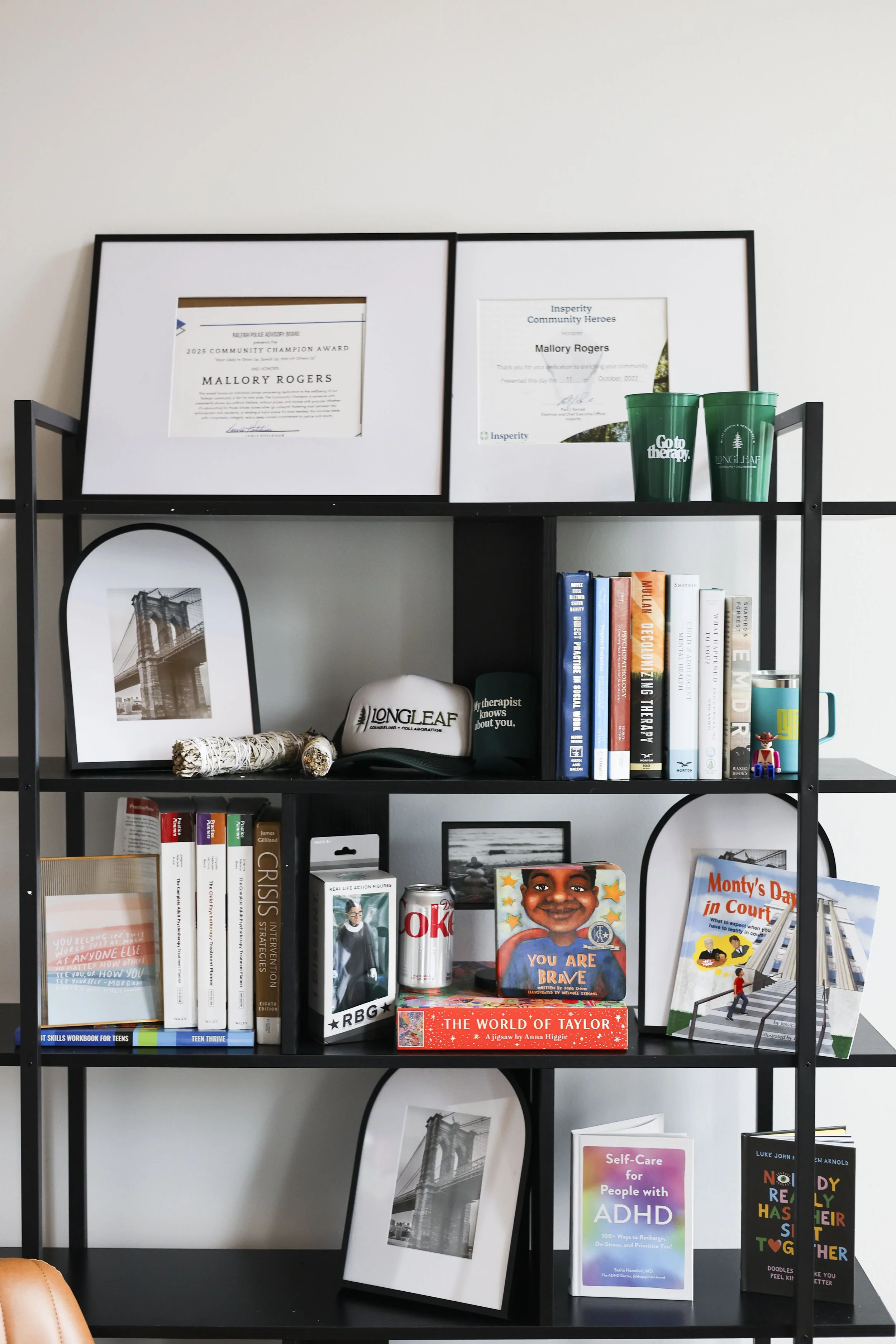
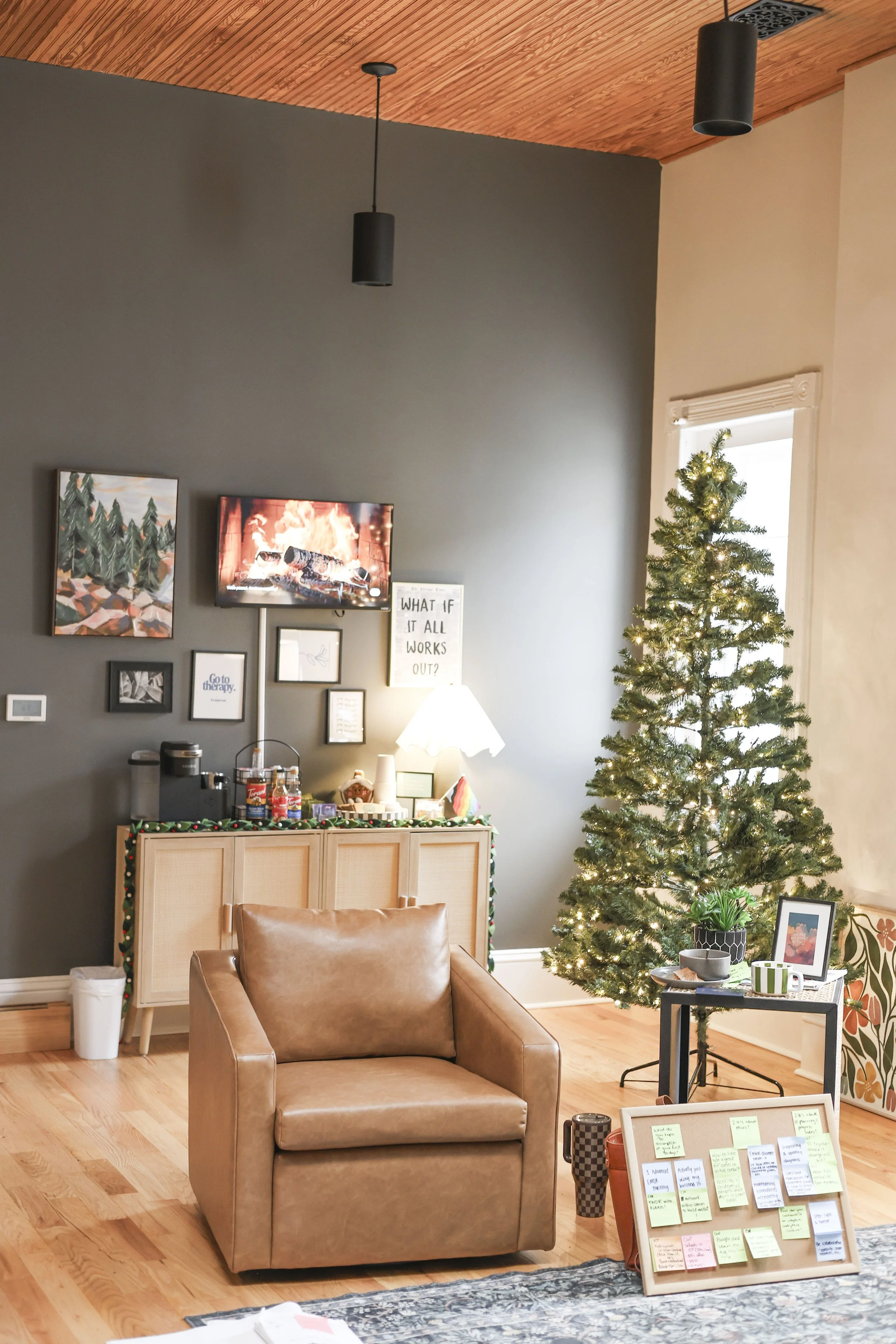
Longleaf was not started to just open a group practice - it was started to build a model. A model where clinical excellence and human connection coexist. A model where therapists are held to a high standard and deeply supported. And a model where we don’t stop at individual care - we actively influence the systems our clients are navigating. Longleaf exists because we believe healing doesn’t happen in isolation. It happens in relationship, in community and in systems that are willing to evolve. We are purposefully and intentionally located in Downtown Raleigh, on a bus line, in between a bar and a coffee shop, and not in the middle of an office park - to be where the people do life and where they exist.

What has been the most rewarding part of your journey in founding this company?
The most rewarding part of my journey has been seeing Longleaf become the kind of space I knew was deeply needed - not just by clients but by survivors, families, clinicians and the broader community. Some of the most meaningful moments have come from hearing victims and survivors share how hard it was to find care that actually felt trauma-informed, safe and responsive to what they had been through. Hearing people say, in one way or another, “I needed this kind of place” has been incredibly affirming and humbling. It has reminded me that Longleaf was never just about opening a practice -it was about filling a very real gap. We are humans helping humans, we will make mistakes and always strive to do better, but making those meaningful moments out of moments of possible imperfection is also rewarding.
It has also been deeply rewarding to build a team of therapists who care so deeply about this work. Watching my current staff show up with skill, compassion and integrity every day has been one of the greatest gifts of this journey. They are truly one of the best parts of Longleaf. It was a journey to get here, but there is something really powerful about building a team culture where clinicians can do meaningful, high-quality, trauma work while also feeling supported themselves and supporting each other as well as me. And, beyond the therapy room, hearing stories from the community (about what has been missing, what people have needed, why spaces like Longleaf matter) has probably been one of the most grounding parts of all of it. It reminds me that this work is bigger than me and bigger than business. It is about creating something that people genuinely needed and did not always know where to find.
About what are you most proud?
This is a hard question for me because it requires reflecting and really digging - I am proud of so much. I’m most proud that I built something people genuinely needed, and I didn’t compromise what it stood for along the way. There was a point where I leaned heavily into people pleasing and doing a lot for others and not myself and the vision of my business. What I’m most proud of is that Longleaf was built with intention, and it stayed that way, even through incredibly hard times and the decisions that come along with a business. There were a lot of opportunities along the way to grow faster, to make things easier, to lower the bar in ways that would have benefited the business but not the people we serve. And I didn’t. I protected the work, even when it was harder. I’m proud that victims and survivors and clients can walk into Longleaf and feel the difference, that they’re not just another appointment, that their story is handled with care and that the space was built with them in mind. I’m proud of the team we’ve built. Truly. The current therapists and staff at Longleaf show up with so much depth, compassion, honesty and integrity, and getting to create a place where they can do meaningful work and feel supported is something I don’t take lightly. And, honestly, I’m proud of the moments no one really sees - the hard decisions, the pressure, the uncertainty of building something from the ground up while still showing up for clients, for the community and for my team. Building a business is hard, especially one that embodies both 1:1 client work and consulting services for community partners and has several different arms to it.
But the thing that gets me the most and involves teary car rides home is hearing people in the community say they needed something like Longleaf. That they didn’t know where to go before. That this feels different.
That’s what I’m most proud of… Yes, this is a business, and it has to have certain expectations and standards. But it also goes beyond that. It’s something people needed, and I built it - and, even typing that was hard and a struggle because, as women, we are taught to not take up space, to be humble, “do not brag”, and I am proud that I am able to say “I had this vision for our most vulnerable neighbors and am building it to my own tune regardless of other noise”.
Are you naturally organized, was it a skill you learned or is it something with which you regularly struggle, and what tips or tools do you use to stay your most organized?
I am absolutely zero percent naturally organized. This is negative 1000000% not my strength. My neurodivergence has gotten me super far in life, makes me hilariously funny AND has been something that made me have to learn how to build systems to support my brain and the functioning of organization for the business.
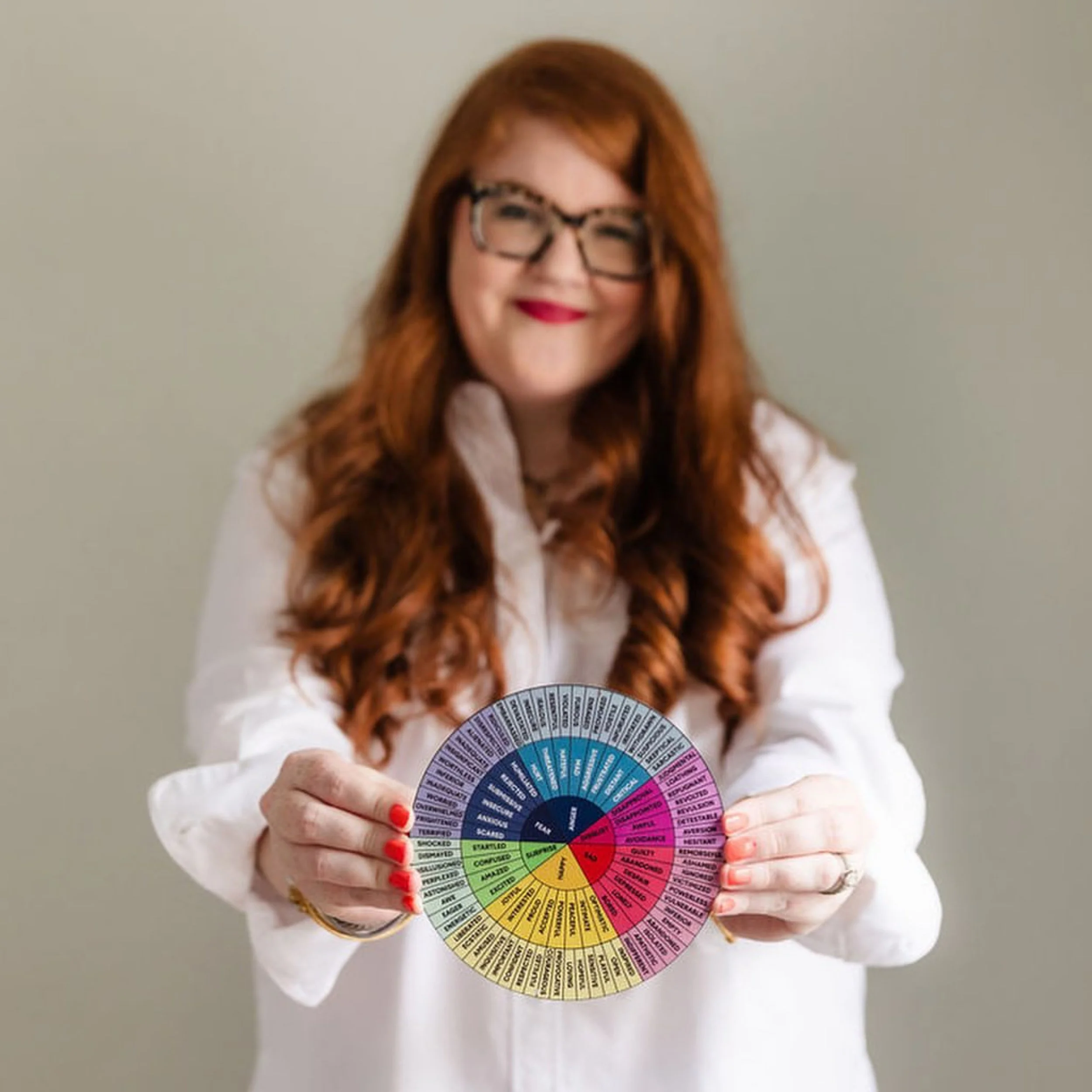
I’ve had to learn that I can’t organize my life like someone without ADHD. This makes my brain literally different, and, once I accepted that, everything got easier. I keep things very visual and very structured because, if something is out of sight, it’s out of mind for me. I rely on calendars, task systems and routines that I can actually stick to - not overly complicated systems that look good but don’t work in real life. I also give myself a lot of permission to build systems that support me instead of trying to force myself into systems that don’t. That’s probably been the biggest shift.
Who’s the one person who changed. your life and why?
One person who has changed my life is Katy Pomeroy. Katy is a felony SVU prosecutor, and our work naturally puts us in the same spaces - supporting victims and navigating really heavy, high-stakes situations. What started as professional overlap became a deeply meaningful friendship. We’ve both seen people at some of the hardest moments of their lives, and I think what has been so impactful is how we’ve learned to support and lead alongside each other in those spaces. There’s a level of trust, honesty and mutual respect that doesn’t happen often - you know the other person is going to show up, do the right thing and carry the weight of the work with integrity. She has changed my life, not just through friendship but through how we’ve grown together as women in leadership. We have handled the most horrific of circumstances together, seen people in their lowest of lows, and we have walked alongside each other through grief, laughs and more. We challenge each other, support each other and create space for each other to keep going in work that can be really heavy. It’s rare to find someone who understands both the emotional depth and the responsibility of this kind of work. Getting to walk alongside her in that has been incredibly meaningful.
It truly is hard to name just one person, but, honestly, I think a huge part of my life was changed by becoming the person I needed when I was younger. There were a lot of moments that required me to grow up, push through and build stability from the ground up. And, while I would never romanticize that, I do think it shaped me into someone who knows how to create safety, structure and care - not just for myself but for other people, too. That has impacted everything: how I lead, how I love and how I built Longleaf.
What words of wisdom would you have for someone who is overwhelmed with staying organized and / or productive?
If you’re overwhelmed with staying organized or productive, the first thing I would say is - you’re not the problem; your systems might be. A lot of people are trying to function inside systems that don’t actually fit how their brain works, especially if you’re someone juggling a lot or navigating ADHD. Organization doesn’t have to look perfect; it just has to be sustainable. Start smaller than you think you need. Focus on one or two systems that you can actually maintain, like one calendar and one task list, and make them as visible and simple as possible. If you can’t see it, you’re probably not going to do it. I also think it’s important to shift how we define productivity. It’s not about doing everything; it’s about doing what actually matters. Prioritizing a few meaningful things in a day is far more effective than trying to manage everything at once. And give yourself more permission to build systems that support you instead of trying to force yourself into systems that don’t. That shift alone can make a huge difference.
Do you use technology to help stay productive or organized? If so, what’s your favorite program, app or tech tool?
Yes, absolutely! As someone with a lot of moving parts between running multiple businesses, leading in the community, being on boards and managing day-to-day life, I’ve had to learn that, if I’m not using technology intentionally, I’ll end up relying too much on my brain, which is usually when overwhelm starts to creep in and things begin to be forgotten or feel very unmanageable. One of my biggest productivity tools is my digital calendar. If something is not on my calendar, there’s a very real chance it does not exist to me. I use it not just for appointments but for time blocking, reminders, recurring tasks and protecting space for focused work. I also really value systems that create visual organization. Anything that helps me see what’s coming, what needs attention and what can wait is incredibly helpful. For me, productivity is less about doing more and more about reducing mental clutter. I think the biggest shift has been realizing that technology should function as support, not pressure. The best tools are the ones that make life feel clearer, not more complicated.
How do you feel about work / life efficiency or integration in your life, including any tips or challenges for managing the personal and professional commitments in your life?
I don’t think my goal is perfect “balance” anymore. I think it’s about alignment and protecting my peace and energy, even as that is EXTREMELY hard and requires difficult decisions.
As a founder, therapist and someone who cares deeply about the work I do, my professional life is very personal to me. So, instead of trying to create a rigid separation at all times, I’ve had to learn how to create rhythms, boundaries and systems that allow me to show up well in both spaces without constantly feeling like I’m failing one of them.
One of the biggest things I’ve learned is that efficiency is not the same thing as over-functioning. For a long time, I think I equated being “on top of things” with always being available, always producing, always “being there”, never saying no, putting people’s needs ahead of my own and always carrying more. But that kind of efficiency comes at a cost. Real sustainability has looked more like being intentional with my time, protecting my energy and being honest about what season I’m in.
A few system things that help me are the following:
• Time blocking my calendar so everything doesn’t blur together
• Creating clear containers for different parts of my life and work
• Letting systems and routines carry more of the load instead of relying on memory or urgency
• And being willing to ask, “What actually needs me right now?” instead of reacting to everything equally
One of the biggest challenges, honestly, is that, when you care deeply, it can be hard to turn it off or to ignore your own needs and constantly people please. I don’t do work that feels surface-level to me so there’s always the temptation to give more, hold more or keep going. I’ve had to learn that boundaries are not a threat to my work; they’re what allow me to keep doing it well.
At this stage of my life, I’m trying to build a version of success that feels sustainable, not just impressive.
About what causes are you most passionate?
I’m most passionate about supporting victims and survivors of interpersonal violence and ensuring they have access to care, advocacy and systems that truly understand trauma. Alongside that, I care deeply about bridging the gap between mental health and systems, like law enforcement, the courts and community response. Much of my work exists at that intersection, and I believe those systems have a responsibility to be informed and trauma-responsive. And, more broadly, I care about visibility in mental health, including reducing stigma, creating spaces that feel welcoming and human and helping people feel like seeking support is something they’re “allowed” to do. All of those causes connect for me. They’re really about creating systems and spaces where people are cared for in a way that is both competent and compassionate, creating spaces which I needed and would want my loved ones to have.
What have you found to be the most effective way to relax after a long day or super long week?
The most effective way I relax is by coming back to the things that make me feel most like myself: water, quiet and real connection. Over the past year, I have majorly re-defined healthy and meaningful community and what that looks like. To have a village, you also have to be a village at times. Showing up for my friends and having people who show up for me authentically is very important. I was raised on the East Coast and at the beach, and I think that stays in you. I’ve realized as an adult that I need to be around water in some form. It is one of the few things that immediately quiets my nervous system and helps me feel grounded again.
But I’ve also learned that rest, for me, requires both alone time and community. I need space to recharge, to not be “on,” and to have moments where no one needs anything from me. I also need people who feel safe - people I don’t have to over-explain myself to constantly. One of the most grounding parts of this season has been the little things, like GIF Mondays with my close people and voice notes with Liz M lol. There’s something really healing about laughing, processing and being completely unfiltered with someone who gets it. In this season, community looks less like quantity and more like depth. It looks like a few people who feel like home.
What is your favorite author / book?
Honestlyyyyy - I am completely unhinged right now, lol. I am reading less self-help and leadership books (which I used to consume), and, now, my hockey smut series is the way to go! I’m actually a huge fan of fun romance series that require minimal to no thinking skills, especially hockey romance, which feels very on brand for absolutely no reason.
The Windy City series by Liz Tomforde is definitely up there for me, and I’ve also loved the Heated Rivalry series (I mean, duh, of course!!). When I read outside of work, I want something that helps me fully turn my brain off and just enjoy it.
What are your favorite inspirational quote?
“Build a life that reflects who you are and not just what’s expected of you.”
So random maybe, but I not going for cliche here. That mindset has really shaped how I’ve made decisions personally and professionally recently and how I’ve built something that actually feels aligned with who I am inside and outside of my businesses.
What is your go-to accessory?
My Summer Friday’s Sweet Mint Lip Balm, Flourish Market Neck Bandana, and my red hair ;)
What are the fundamentals of your beauty routine?
Honestly, the most important part of my morning and evening lol. My skincare routine is basically me trying to be a person who drinks enough water but in topical form.
I love products from The Flourish Market. It feels like a more intentional way to take care of myself without overcomplicating it.
My very real 8-step routine looks like this:
1. Cleanse - remove makeup, stress and questionable decisions
2. Tone - for balance (emotionally and skincare-wise)
3. Serum - this feels important, so I commit
4. Eye cream - because they told me to lol
5. Moisturizer
6. SPF — non-negotiable; we are aging gracefully over here and have red hair
7. Lip balm, mascara, foundation, bronzer, blush and go
8. Exist peacefully for 2 minutes - the real actual luxury
It’s not perfect, but it’s consistent enough. The goal is simple and cute!
What is your favorite food?
Coffee - is coffee a food??
What movie could you watch on endless loop?
If The Princess Diaries is on, I will be seated.
What is your favorite place that you have visited?
One of my favorite places I’ve ever visited is Kauaʻi. It’s known as The Garden Isle, and there’s something about being there that felt incredibly grounding, peaceful and clarifying. I was able to dedicate 2-3 days to completely step away from noise and focus on what I wanted my business to be. It was a massive changing point, changing the way I thought about my business wholeheartedly. It gave me space to slow down enough to ask what I actually wanted to build and what I wanted my life to feel like alongside it. I came back with a lot more clarity and intention. And was refreshed and not stressed there. Coming back after 2 weeks was incredibly difficult!
Of the locally-owned and -operated establishments in the place you currently live, which are your top 3 favorites and why?
Some of my favorite spaces and brands are the ones that feel deeply aligned with my values - and the ones that have become part of both my personal life and my business life.
Morning Times is one of those places for me. They’re a neighbor for Longleaf, and there’s something really special about being in community with people and businesses right around you. I love that they’re such a staple downtown, and there’s a comfort and familiarity there that feels very grounding.
I also love Copperline Plant Co. There’s something about being around plants and beautiful, intentional spaces that just feels regulating to me. It’s one of those places that makes life feel a little softer and more alive.
And The Flourish Market has been really meaningful to me on multiple levels. It’s a place where I genuinely love to shop and support, but it’s also become a space of real growth and community for me. Being part of their mastermind has honestly been life changing. It’s given me connection, perspective, support and room to grow, not just as a business owner but as a woman and leader and shifting into a CEO mindset.
I think all three of those spaces reflect things I care deeply about - community, intentionality, supporting women and building a life and business that feel aligned with who I actually am unapologetically.
If you could have one superpower, what would it be?
If I could have one superpower, it would probably be the ability to pause time. Not for anything noble, just so I could catch up on life, answer texts, reorganize my brain and maybe sit in silence for 14 business days.
What advice would you give your 21-year old self?
I would tell my 21-year-old self that what feels overwhelming right now is not the end of your story - it’s just the beginning of it.
I would tell her that the things she’s worried about (who she’s dating, what people think, whether she’s doing everything “right”) are not going to define her life. Even dating the guy ….is not going to be the end of the world and is not that serious.
I would tell her that people will believe her. That her voice will matter and her story matters from childhood. That there will be people who not only hear her story but stand beside her, support her and show up for her in ways she can’t even imagine yet.
And I would tell her that, one day, she is going to build something meaningful. That she is going to lead, create and impact her community in ways that feel bigger than anything she can see right now. She’s going to become strong, grounded and unapologetically herself, someone who doesn’t shrink, doesn’t settle and doesn’t build her life around other people’s expectations. And maybe most importantly, I would tell her “you’re going to be more than okay, you’re going to be a leader and show up for people the way you needed, and you’re going to change lives, including your own.”
If you could have lunch with anyone (living or deceased), who would it be and why?
If I could have lunch with anyone, it would absolutely be Michelle Obama. She carries such a rare combination of strength, intelligence, grace and groundedness, and I’ve always admired the way she has remained deeply authentic while navigating spaces that carry so much pressure and visibility. I think what I would be most drawn to is hearing her perspective on leadership, womanhood and staying rooted in who you are. She’s someone who has led with both power and humanity, and that balance is something I really respect. I also think she embodies something I care deeply about, which is impact that extends beyond title or position. She’s used her voice, platform and presence in ways that have made people feel seen, challenged and inspired. I would love to sit across from someone like that and just listen.
Enjoy more content like this throughout the blog. Use the search box below to find any specific topic.